


There’s something in the morning air that makes me know it’s time for September planting — dewier grass, golden and soft sunlight rather than white and blinding, soil that, when you finally break through to it, still carries the warmth of the summer sun while the air above is cool. And here, this combination is everything. Warm soil and cold air mean that come springtime, you’ll be growing a perennial that had the previous six to eight weeks to establish itself in peace, with no unnecessary energy spent on leaf or flower production, both sure to be killed off by frosts in any case. The result is the same as if you’ve been growing your garden for years — healthier stems, blooming earlier than usual, a garden that looks like it belongs after just a year.
Thinking of fall planting now as merely getting planting done before the soil freezes and not a gift to your future self is a big mistake. The following list includes plants I’ve carefully selected and researched individually — there are some of my favorite perennials there, and some you may not have tried yet — chosen precisely to make sure that nothing you plant this month competes for the same colors in your palette.
Why September Is the Golden Month for Planting
Apart from root growth, there are a couple of practical benefits of planting in September that not only makes things easier but also biological sense over spring planting. Rainfall will be fairly stable across the majority of regions at this time of year, making it less troublesome to water your new plant as often as needed in spring or summer planting seasons – you won’t have to worry about keeping your plant hydrated in a heat wave by watering it daily. Weed competition will be lessened since weed seeds won’t germinate in cold soil, and insects will not be active, which means that young plants will not have to face additional stress while becoming established. And for those who plan ahead, many garden stores will provide discounting on perennial plants that need to be sold out prior to winter.
If your plant needs an exception for responsible planting, here it is provided in simple terms.
1. Geranium ‘Rozanne’

This tough little cranesbill is one of the best border perennials you can grow, and planting in September suits its character well. The soft purple-blue blooms with their white centers will come all summer long into fall, once it’s established, and this plant is easygoing, growing well in both sun and shade, in clay soils or loam, forming neat clumps that help suppress weeds. Zones 5–8. It will reward you for giving it a season to establish itself in before winter with months of blooms to come in future years.
2. Japanese Anemone ‘Praecox’
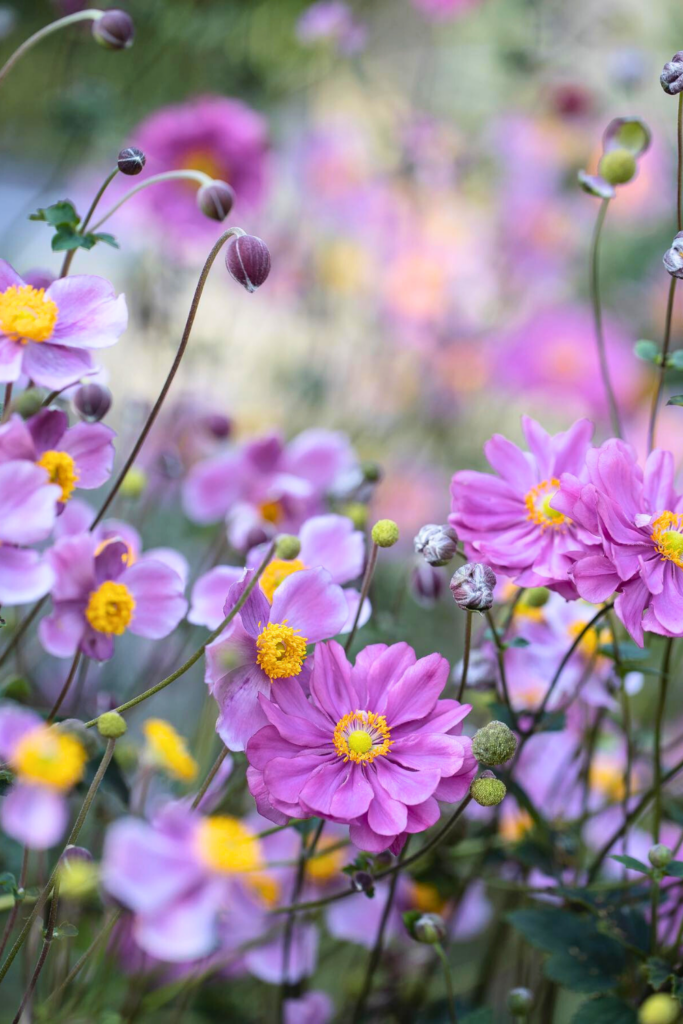
It would be hard to find another species with such elegance while blooming in the fall — its wispy stems bearing cup-shaped pink flowers with a center of gold start to flower in late summer, just as the rest of the garden border seems tired of blooming. This species requires some shade and rich humusy soil. Beautifully combines with ferns and hostas. Hardy zones 4–8. There is one thing that should be mentioned about this plant — only one, but very important for sure: in cold zones, as well as in zones where the soil is heavy and not well-drained, there is a recommendation from some extensions services to plant this anemone in spring rather than in fall since its shallow fibrous roots can get pushed right out of the ground due to frost heaving in winter. If you live in zones 5 and colder and your soil is either heavy or not well-drained, plant it in September and mulch heavily before winter or plant it in spring.
3. Verbena hastata (Blue Vervain)
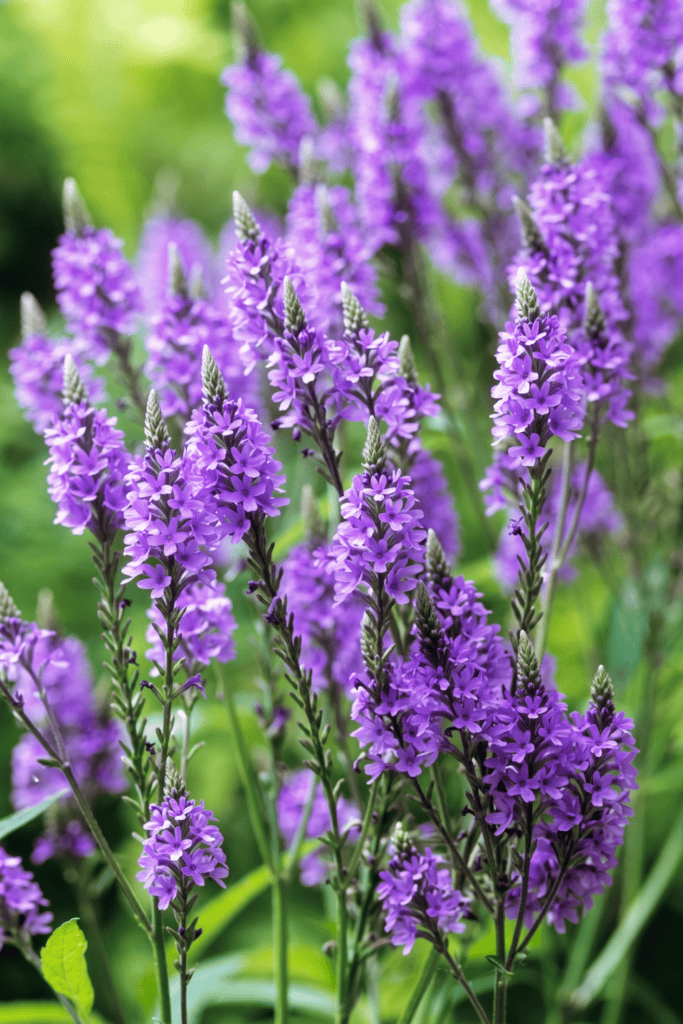
Those who have appreciated the beauty of airy, transparent verbena but have been looking for more enduring varieties may try this native plant. The Blue Vervain bears tall, branched spires adorned with little clusters of violet-lilac flowers at their tops; it is a plant of delicate appearance, but it’s tough enough to be considered a full-fledged North American native, and it is highly appreciated by pollinators, attracting bees and butterflies constantly from midsummer through fall. Unlike its more showy relative from South America, this plant is genuinely frost-hardy in zones 3–9, so gardeners from the coldest parts of the Midwest and Northeastern US are able to grow this flower, planting it in September and expecting to enjoy the blooms the following year. This plant requires lots of sun and tolerates ordinary or even somewhat moist soils.
4. Chelone lyonii ‘Hot Lips’ (Pink Turtlehead)
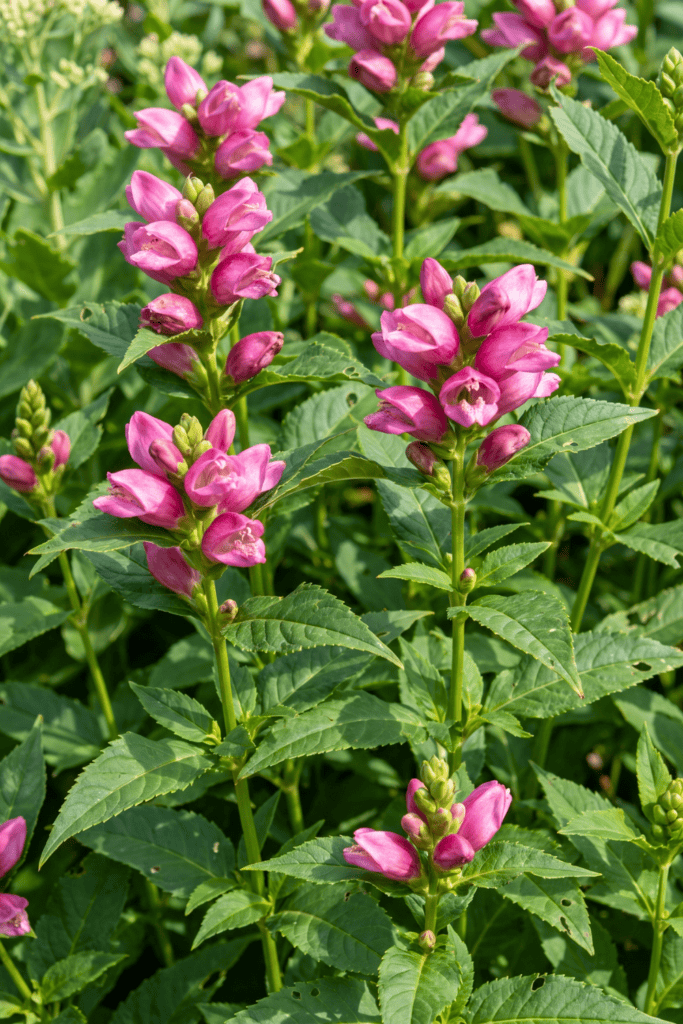
The common name of this perennial comes from its snapdragon-like flowers; however, at some angle of view, it definitely reminds of a little turtle’s head that is going to snap. Pink flower clusters form on the stem of this perennial and blossom from late summer to early autumn, when the activity of bumblebees – which are the pollinators of this perennial – reaches the maximum. This perennial is a plant which demands moisture-retentive and humus soil and partial shade, and in these circumstances, it will form beautiful green leaves. Hardiness zones: 3-8. It is advisable to plant this perennial in September as it prefers cold weather and won’t grudge like a stressed spring planting.
5. Japanese Toad Lily ‘Tricyrtis hirta’
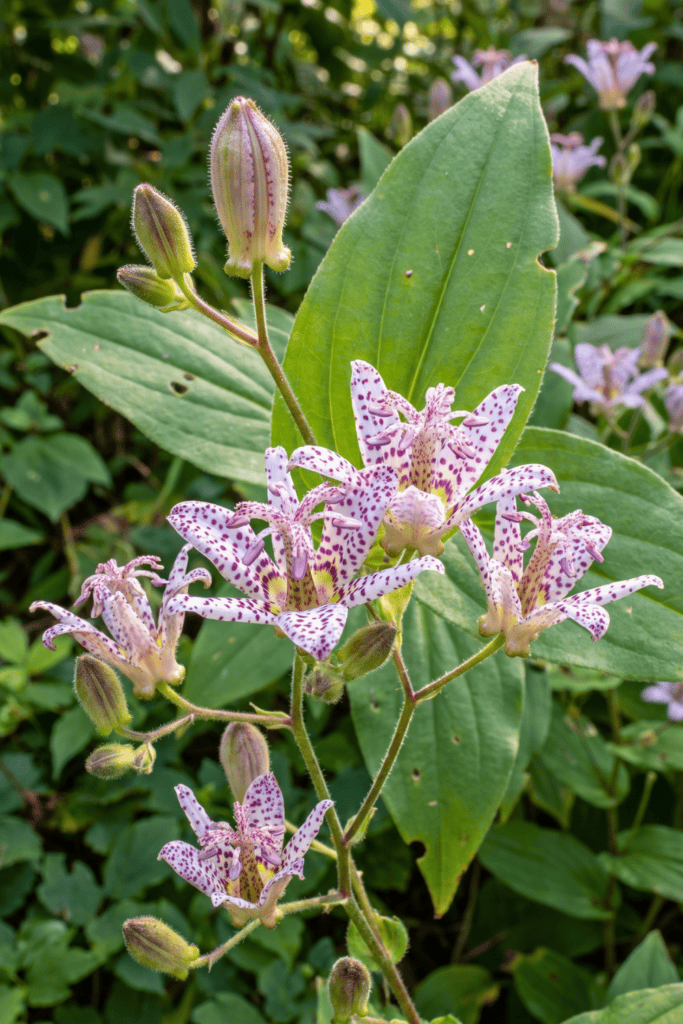
In the dark, forgotten areas of the garden where few flowers grow, toad lily offers the gardener the unique opportunity to grow flowers with an orchid-like appearance that is splashed with purple and that blooms late in the summer and early fall when other shade perennials are done blooming. Cool, damp, humus-filled soil under trees or near ferns and hostas suits it nicely. Toad lily can survive in USDA plant hardiness zones 4 through 9. It does well when planted in the fall because it likes to grow in cool soil.
6. Penstemon ‘Blackbird’
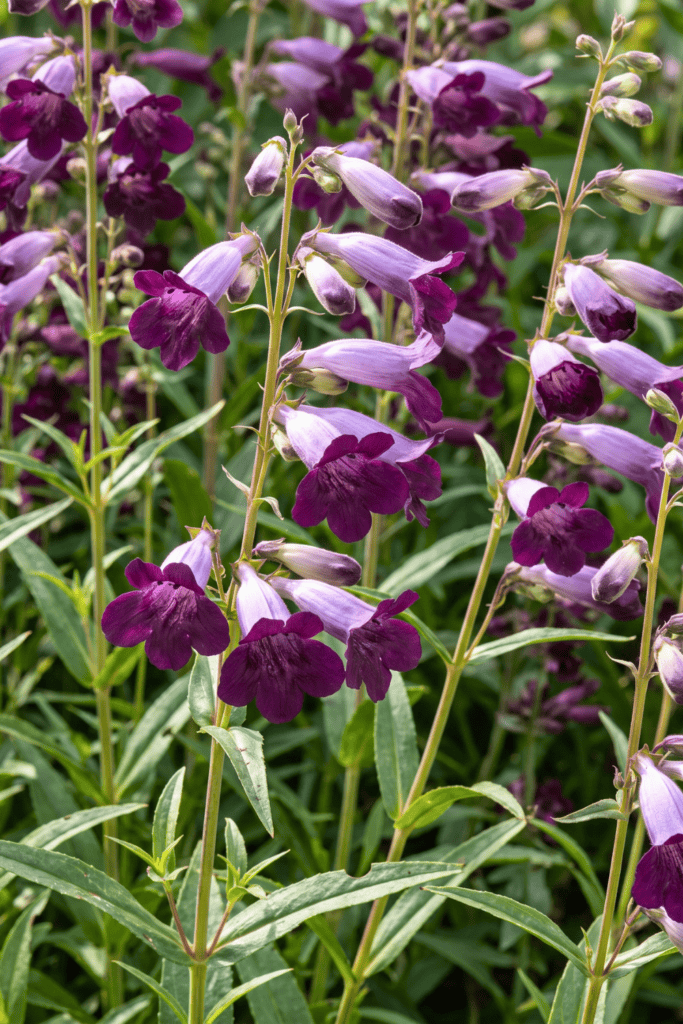
Garnet to burgundy tubular blooms held on tall, willowy stems make ‘Blackbird’ a penstemon for those who want a little more mystery in their sunny border, and hummingbirds still love this penstemon as much as any other. It flowers freely from late summer until the first frost, and its loose, open growth habit makes it more of a flowing border plant than the stiff varieties that many penstemons can be. Estimates of hardiness tend to vary a little depending on the source, with some sources citing hardiness to zone 5 and others citing 6 to 9; essentially, ‘Blackbird’ will be perennial in warmer regions but only borderline hardy in cooler zones, making it worth protecting over winter in colder regions. In all cases, the common denominator for ‘Blackbird’ is good drainage; it will not survive being planted in a wet environment in September and will succumb to root rot instead.
7. Silene schafta

This is what I recommend to novice gardeners who wish to do their planting in autumn without any struggle at all. It produces a very tight and low-growing cushion of bright green leaves with magenta blooms from the summer through the fall; it really is a unique color of flower in the pink family. One of the best choices for fall planting here is definitely this perennial; it is quick-growing, low-growing, and makes an excellent border and ground cover plant, especially when planted alongside spring bulbs. Hardiness zones 4-8; full sun to partial shade.
8. Stokesia laevis ‘Blue Star’
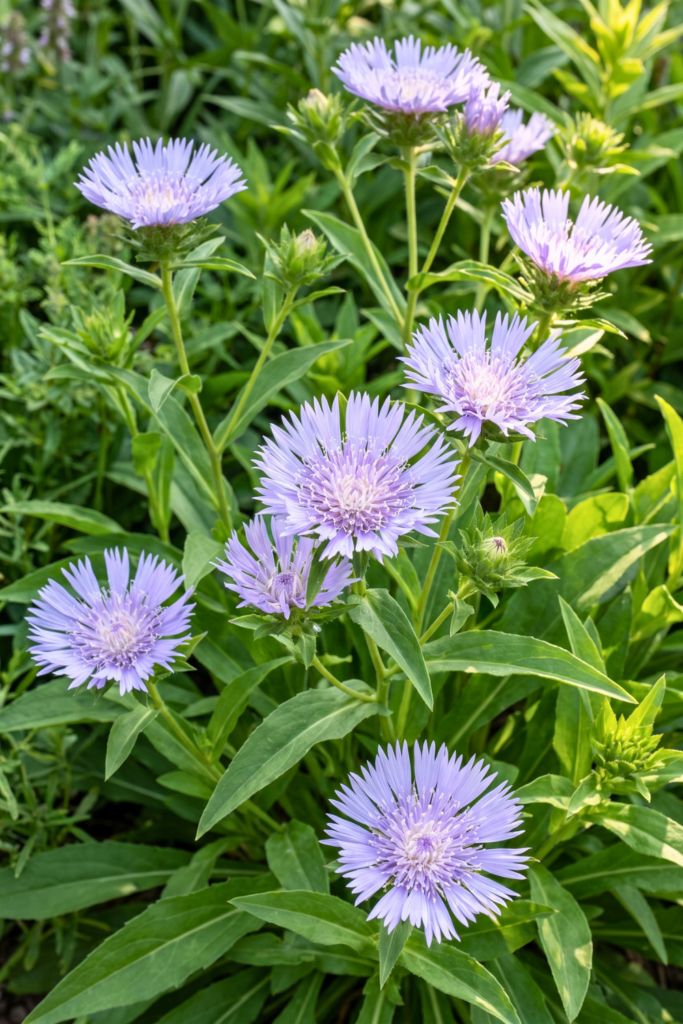
The stokesia aster is an attractive plant that grows into a neat, short mound of vivid green leaves, and produces fringed sky blue flowers from summer through fall, which are rare in the perennial garden because of their pure color, not a lavender one like those previously mentioned. This plant does well in poor soil, attracts butterflies, and makes an excellent cut flower. Zones 5-9, full sun. September planting provides it with the time needed for good establishment before blooming the following year.
9. Rudbeckia fulgida (Black-Eyed Susan)
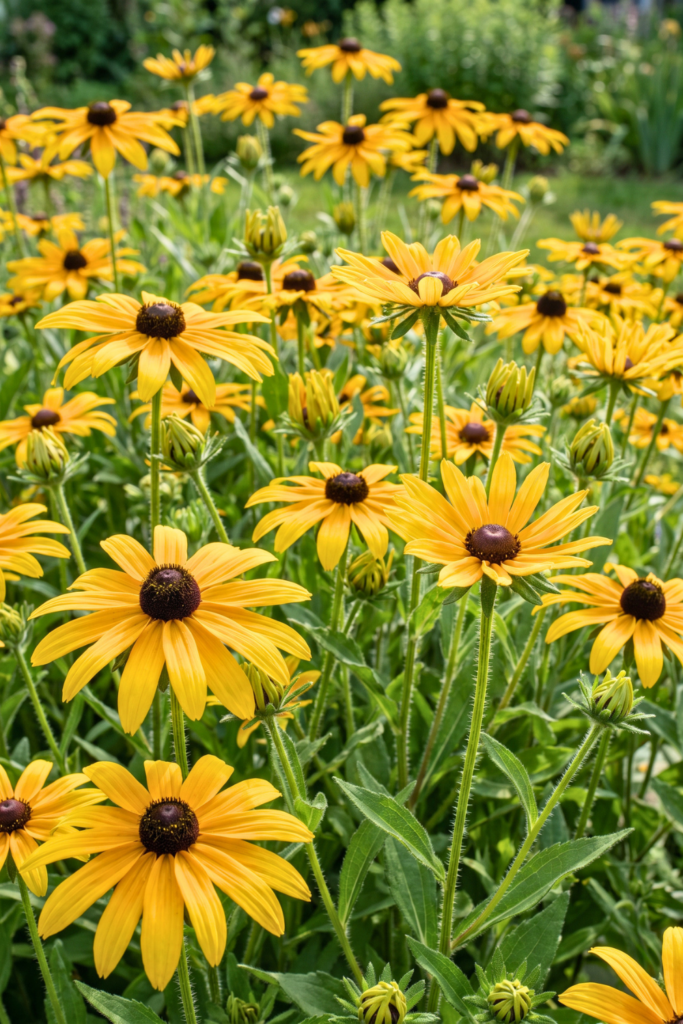
Not one autumn garden would be considered complete without that unmistakable gold, and this hardy perennial provides it consistently — daisy-type flowers of clear golden yellow color with dark chocolate brown center flowering from mid-summer through fall. As for its tolerance, it is probably the most forgiving plant there is — thriving in average and even poor soils and surviving hot weather and light drought conditions after getting established. It serves as food source for bees and butterflies, and songbirds will work on the seedheads all winter long if you let them. Zones 3-9, full sun. Easy to plant in fall — one of the easiest plants to establish.
10. Amsonia hubrichtii (Threadleaf Blue Star)
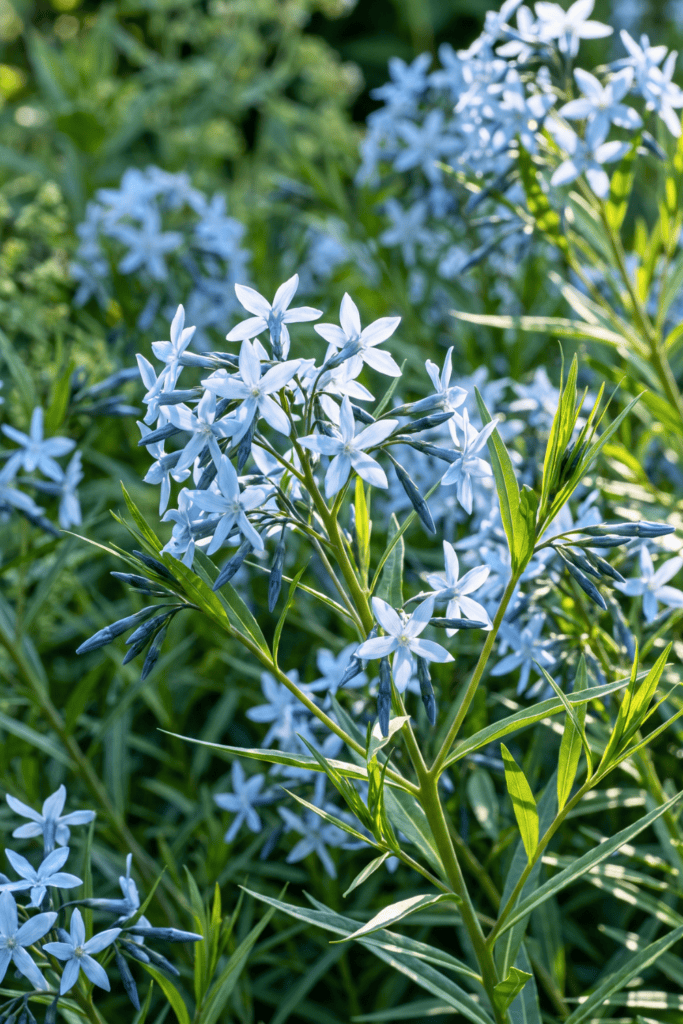
The difference with this one is that while the other entries on the list are chosen for their flowers, it is selected for its foliage color. Its pale blue flowers in the spring may be beautiful but fleeting, and it is only in the fall that it really shows its true colors, its delicate willowy leaves turning to a bright, clear gold. It is one of those underrated plants that can add color to the garden not through flower color but through foliage color. Sun or partial shade, adaptable to various soils when established. Zones 5–8.
11. Hylotelephium ‘Matrona’ (Sedum)
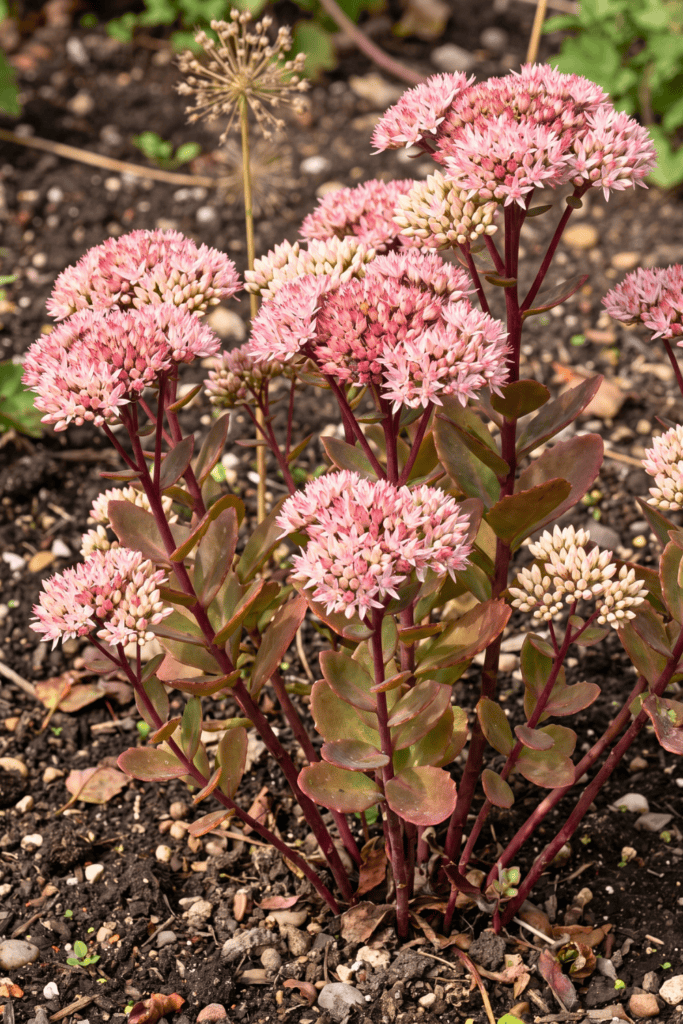
‘Matrona’ introduces the darkly toned rose-mauve into the autumn garden – a more somber shade compared to the pinks featured on this list – in flat-headed flowers that begin as pale pink but deepen into mauve atop robust stalks and foliage colored burgundy. Even without its flowers, the plant is architecturally pleasing, and is hardy enough to last through the frost, offering architectural interest throughout the winter months. Full sun and well-drained soil, which this plant absolutely hates being in, are essential. Hardiness zones 3-9.
12. Helleborus ‘Onyx Odyssey’ (Lenten Rose)

Hellebores are one of the few perennials that thrive best when planted in the fall. The Onyx Odyssey is an example that displays extremely dark maroon flowers that appear above evergreen leaves, which retain their texture even during winter. Since the hellebores thrive during the cool season and develop roots, planting them in September will be timely enough to ensure that they start flowering in late winter while other plants in the garden are dormant. Zones 4-9, partial to full shade.
13. Echinacea purpurea ‘White Swan’
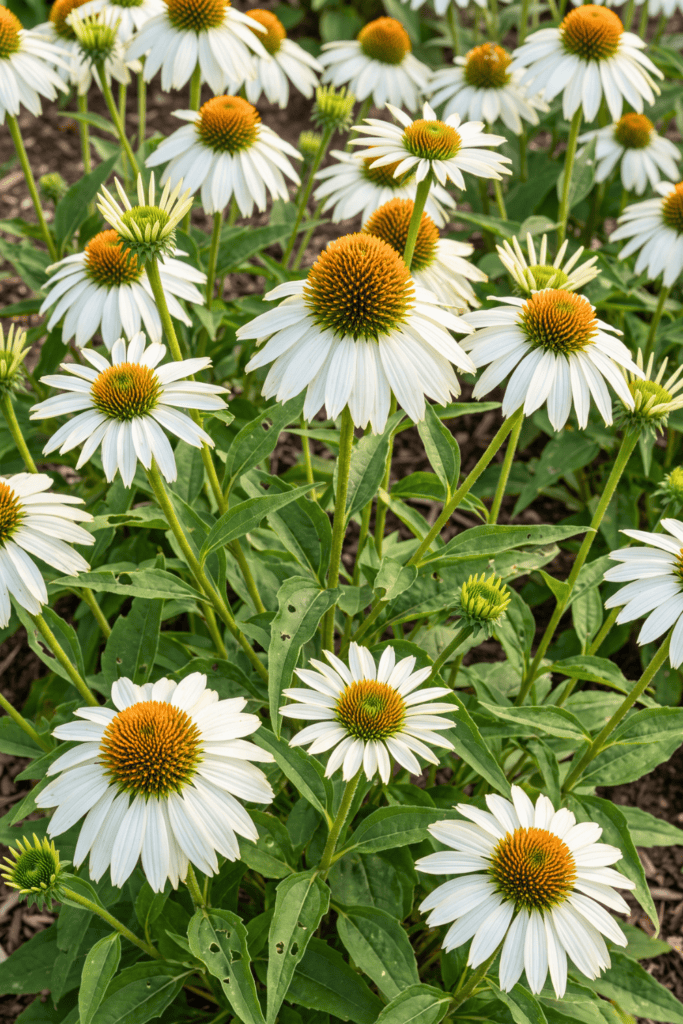
When it comes to the coneflower that produces a true white bloom, with a warm orange center, this variety is hard to beat. It has all the qualities that make this plant a survivor: drought tolerance in maturity, heavy visits from pollinators, and a tough taproot which is perfect to establish when planted in the fall. Don’t remove the seedheads after blooming – leave them for the birds to feed on during winter as well as to create a beautiful contrast with the white snow.
14. Baptisia ‘Dutch Chocolate’
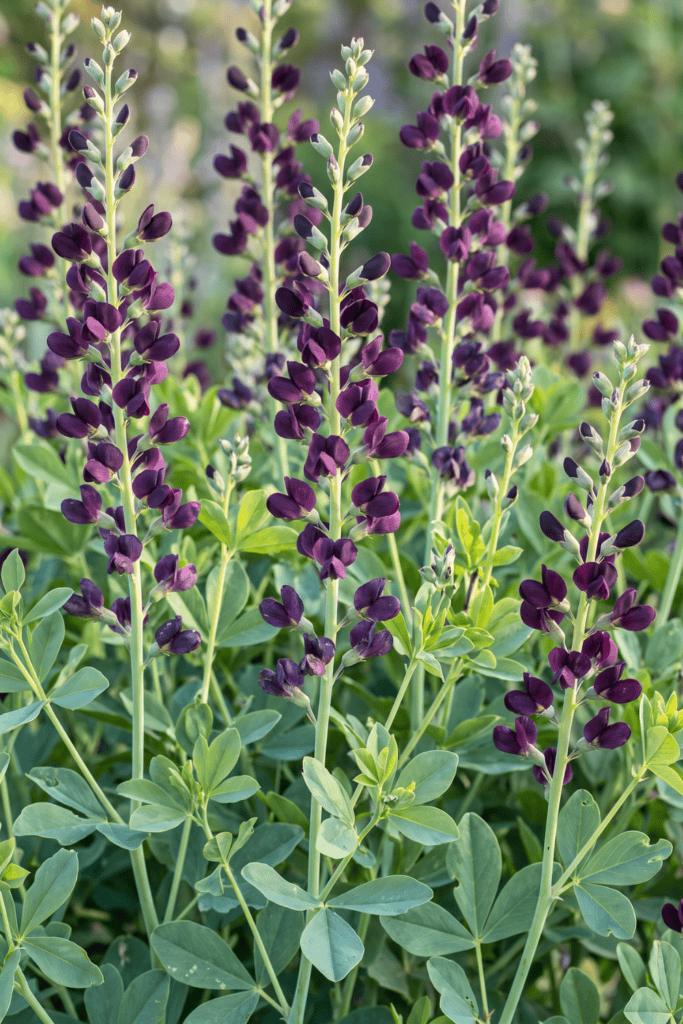
A strange one to end on – usually Baptisia is more commonly seen in blue and yellow forms, however ‘Dutch Chocolate’ offers pea-like flower spikes in a truly unique shade of maroon brown, growing from blue-green shrubby leaves. This plant grows a tap root and does not appreciate being disturbed once planted, so choose a good spot for it and be patient while it settles in during its first one or two years. Fall planting is ideal as it gets a running start on developing that tap root and won’t have to contend with summer heat – planting this one is definitely a long-term commitment. Sun, well drained soil. Zones 4–9.
